.svg)


Home / Areas we cover / Chelsea, SW3
Chelsea · SW3
Builders and developers in Chelsea, SW3
Bright Space Developments is a construction and development company working in Chelsea and across SW3. We refurbish listed and period houses, rework the interiors of mews and townhouses where every square foot has to earn its place, repair historic fabric properly and design the structural work involved. We hold the whole job as principal contractor, appraisal through to handover.
What we do in Chelsea
Our building and development services in SW3
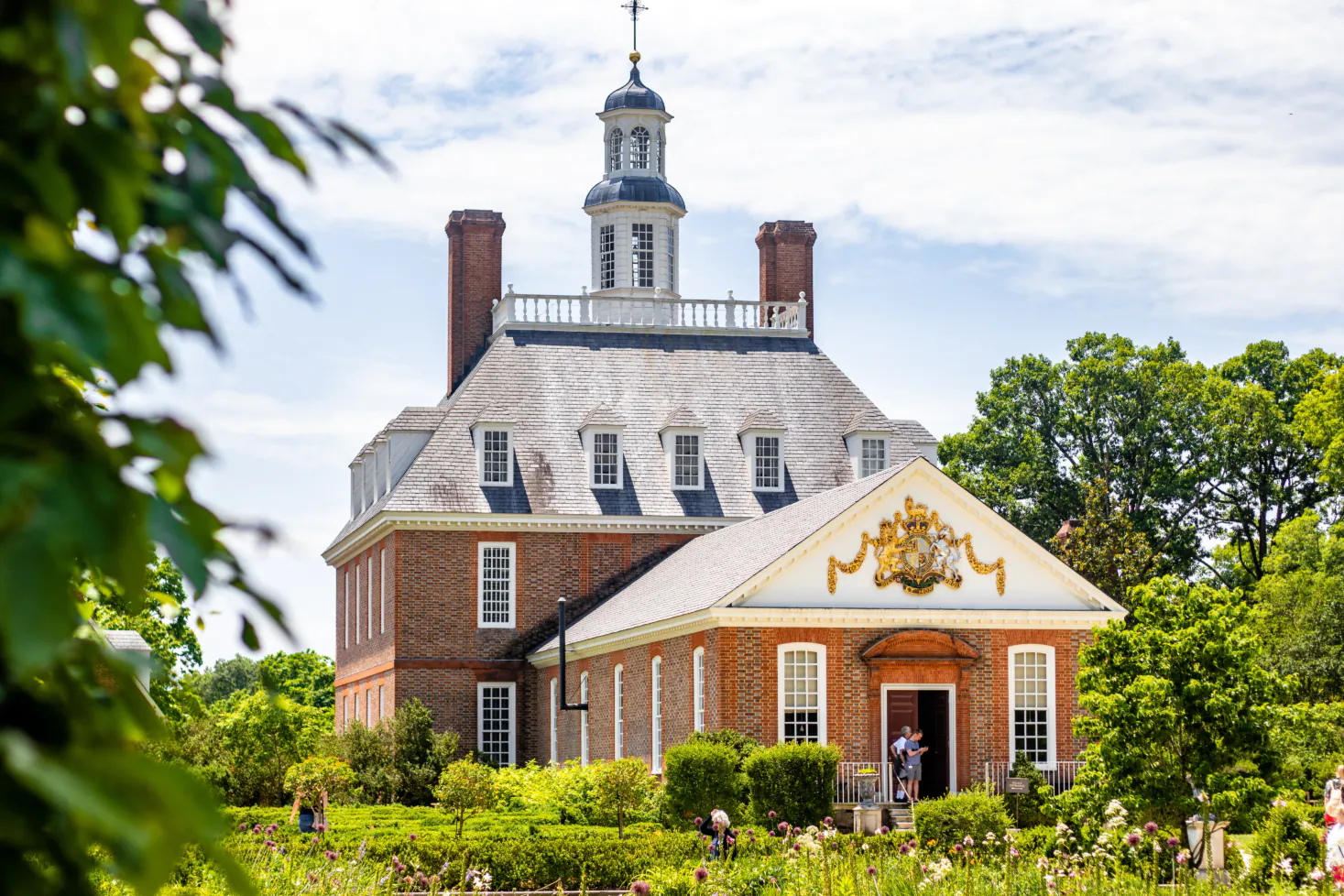
Chelsea has one of the highest concentrations of listed buildings in London, and that changes the job at a level most people do not expect. In a conservation area the council looks at what can be seen. In a listed building it looks at everything, inside included. Knowing the difference before a scheme is drawn stops it being drawn twice.
Refurbishment & Renovation
Tired, unmodernised or dilapidated properties transformed into high specification homes.
Flat & Layout Reconfiguration
Reworking internal layouts to add bedrooms, improve flow and increase value.
Structural & Building Works
Steelwork, new floor structures, roofing, groundworks and screeding, the complete shell and core.
Extensions, Lofts & Airspace
Rear and side extensions, loft conversions and additional storey development that add space and value.
Commercial to Residential Conversion
Converting redundant offices, shops and light industrial units into modern homes, managing change of use end to end.
Planning & Development Consultancy
Securing consents and Lawful Development Certificates, and identifying planning uplift that adds value.
Working with Chelsea's buildings
The riverside is the oldest part: Cheyne Walk and Cheyne Row hold Georgian houses that stood before most of the borough existed, many listed and some very highly. Behind them the ground turns to the stucco and red brick of Hans Town and Cadogan Square, then to the scale that makes Chelsea unusual, the mews and cottage streets off the King's Road where a whole house occupies the footprint of one large room elsewhere.
That mix asks for two very different disciplines. On the historic houses it is repair and careful alteration, working with lime, timber and original joinery rather than around them. On the small houses it is precision: reworking a plan where two hundred millimetres genuinely matters, moving services, and finding space at lower-ground and roof level. Both need structural design that respects what already carries the load.
Listed buildings and consent in the Royal Borough
Chelsea sits with the Royal Borough of Kensington and Chelsea, and nearly all of SW3 is designated: Cheyne, Royal Hospital, Hans Town, Sloane Square and Chelsea Park among the conservation areas. Article 4 directions have removed permitted development across most of that ground, so alterations that would be automatic in an outer borough are applications here.
Listing is the more serious constraint. Listed building consent covers the whole building, not just the parts visible from the street, so removing a partition, changing a staircase, replacing a window or altering a fireplace can all require it. Carrying out that work without consent is a criminal offence rather than a planning breach, which is why we establish the listing and its extent before design work begins, and apply for consent alongside planning where the scheme needs both.
On the ground
What listing actually covers
The common assumption is that a listing protects the front of the house. It does not. The designation covers the whole building, including the interior, anything attached to it and often structures within its curtilage, whatever grade the building carries. That is why a staircase, a run of cornice, a fireplace or a sash can need consent even when nothing changes outside. Later additions of no interest can usually go, provided the case is made properly.
The consequence worth taking seriously is the legal one. Unauthorised works to a listed building are a criminal offence rather than a planning matter to be regularised later, and enforcement has no time limit in the way other breaches do. So the sequence matters: establish the listing and read the list entry, survey what actually survives, then design and apply. Done in that order it is a manageable process. Done in reverse it is an expensive one.
Recent work nearby
Delivered across neighbouring West London postcodes
Chelsea is not yet on our completed list. These three come from the West London postcodes we work across daily and show the standard an SW3 property would be held to.
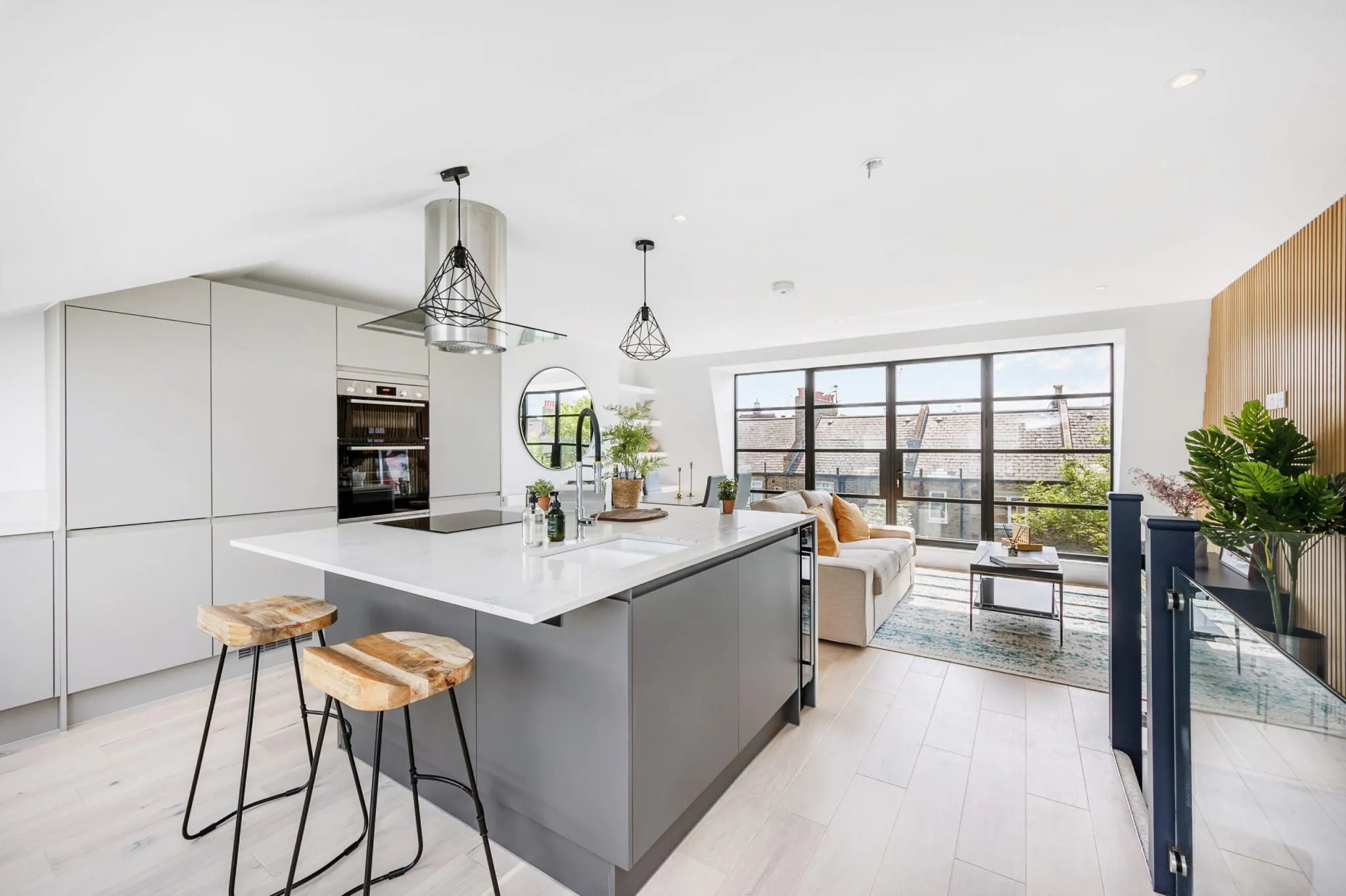
Netherwood Road, W14
A high-specification three-bedroom home in the fashionable W14 postcode, moments from Holland Park.
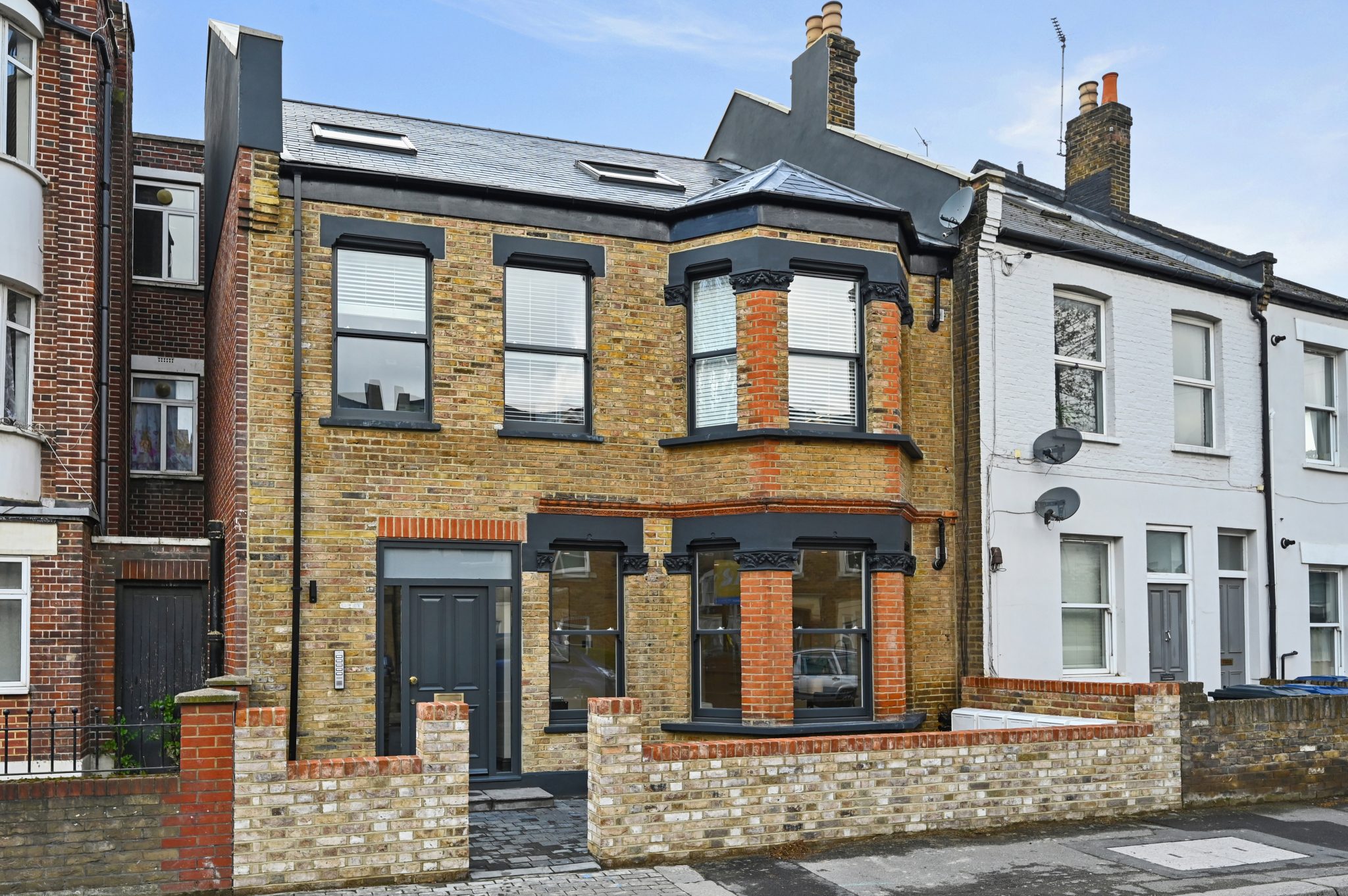
Printworks, W4
A boutique development of five exclusive apartments in Chiswick, delivered as a high-specification residential conversion of a former print works.
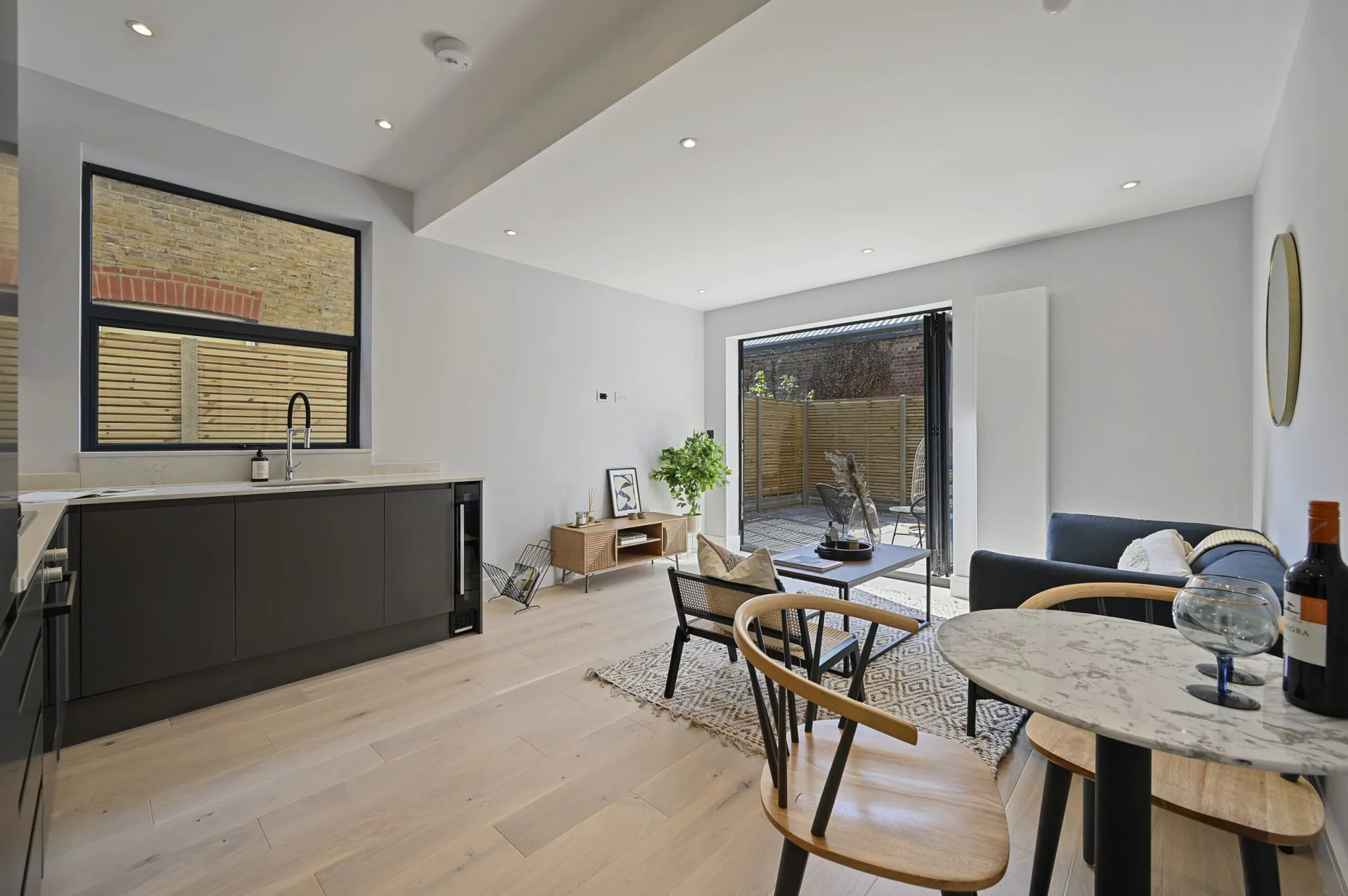
Larden Road, W3
Taken on unmodernised and in need of repair, then redesigned and refurbished into a high-specification family home.
How we work
One team, from first look to handover
One contractor carries a Chelsea project through all five stages below, which is how a listed building gets the same care at fit-out as at survey.
Appraisal
We look at the building, the numbers and what the site can realistically take.
Design and CGI
A design-led scheme you can see before any work begins.
Planning
Consents, change of use and Lawful Development Certificates secured.
Build
Structure, services and fit-out delivered as principal contractor.
Handover
Finished to a high specification and handed over on programme.
Questions
Builders in Chelsea: common questions
Do you work in Chelsea and the SW3 area?
Yes. Chelsea sits directly south of Kensington and east of Fulham, both of which we cover. Refurbishment, reconfiguration, period repair and structural work all sit within what we do in SW3.
Can you work on a listed building in Chelsea?
Yes. It means designing to what the listing protects rather than around it, applying for listed building consent alongside planning, and specifying repair in materials that suit the original construction. We establish the grade and the extent of the listing before anything is drawn.
Do internal alterations need consent in a listed house?
Often yes, and this catches people out. Listed building consent applies to the whole building, so a partition, a staircase, a fireplace or a window can all be covered even though none of it is visible from outside. We check before work is specified rather than after.
Do you refurbish mews houses and small Chelsea properties?
Yes, and they are some of the most demanding work we do. On a small footprint the plan has to be resolved to the millimetre, services need routing where there is no obvious space for them, and the finish carries far more weight because everything is seen at close range.
Can you handle Kensington and Chelsea planning and conservation-area consent?
Yes. Almost all of SW3 is designated, and Article 4 directions have removed permitted development across most of it. We prepare and run the applications, secure conservation-area and listed building consent, and obtain a certificate of lawfulness where one settles a question.
How do you price a project in Chelsea?
From the building and its constraints, never from a rate. Conservation-grade repair, specialist joinery and the pace that working in a listed house imposes all sit in the figure, and so does the reality of a narrow street with no storage. We survey, then price as principal contractor with those items shown openly. Tell us the property and what you want done with it.
Which nearby areas do you also cover?
Across the west and south west. Kensington and South Kensington immediately north, Fulham and Earl's Court west, Brook Green and Hammersmith beyond, and on out through Chiswick and Barnes.
Nearby
Other areas we cover close to Chelsea
Planning a project in Chelsea?
Tell us about the property and what you have in mind. We'll arrange an appraisal and get straight back to you.